
How much does grease trap pumping cost?
Cost depends on trap size, how often you need service, and whether it's a standing contract or a one-time call. We don't publish grease trap numbers as a flat rate because interceptor sizes vary too much between a small cafe and a full-line kitchen, but the visit works like other septic pumping service calls: a scheduled crew, a pump truck, and a written ticket for your health inspector file. If you're comparing costs across services, our septic tank pumping cost page breaks down how we price similar jobs, and the logic carries over to grease interceptors. Restaurants near downtown Pomona often bundle grease trap service with routine septic tank cleaning on the same site visit to save a trip charge. Ask about your specific trap size when you call, since a 500-gallon under-sink unit and a 1,500-gallon in-ground interceptor are not the same job, and if your site also needs a holding tank rental during a remodel, mention that in the same call.
Why does grease trap pumping matter for Pomona restaurants?
A neglected trap backs up drains, trips inspections, and can shut a kitchen down mid-shift, the same way ignoring porta potty rental cost planning can leave a job site short on facilities. Grease traps fill faster than people expect: the 25 percent fats-oils-grease-and-solids threshold sneaks up on busy kitchens running fryers daily. We see this most in Pomona's restaurant corridors, where tight service windows mean a trap has to get pumped before lunch rush, not during it. Skipping a cycle doesn't just risk a clog. It risks grease reaching the municipal line, which is the kind of problem that gets a business flagged by the city faster than almost anything else in food service, similar to how a poorly placed unit can trigger a porta potty permit requirements review. Pair grease trap service with a look at your septic tank warning signs page if your kitchen sits on a septic system instead of city sewer, since the two problems can compound. If your kitchen already runs a portable handwashing setup during a remodel, an OSHA Portable Toilet Requirements reference for the crew is worth bookmarking too.
Do you offer emergency grease trap pumping near me?
Yes. A backed-up trap during service hours is a call, not an appointment, and we treat it that way, the same urgency we bring to emergency porta potty rental requests. Emergency grease trap pumping gets dispatched same-day when a Pomona kitchen has grease surfacing in a floor drain or a trap that's overflowing into the prep area. We run the same trucks used for emergency septic service, so an emergency call doesn't wait behind routine stops. Kitchens in Montclair, 4.6 miles east of Pomona, and La Verne, 5.1 miles north, fall inside the same emergency response radius. If your commercial grease trap pumping need is recurring rather than an emergency, ask about a standing schedule instead. It costs less over a year than repeated emergency calls, and it keeps you ahead of inspection cycles rather than reacting to them, much like a monthly porta potty rental beats booking single days over and over.
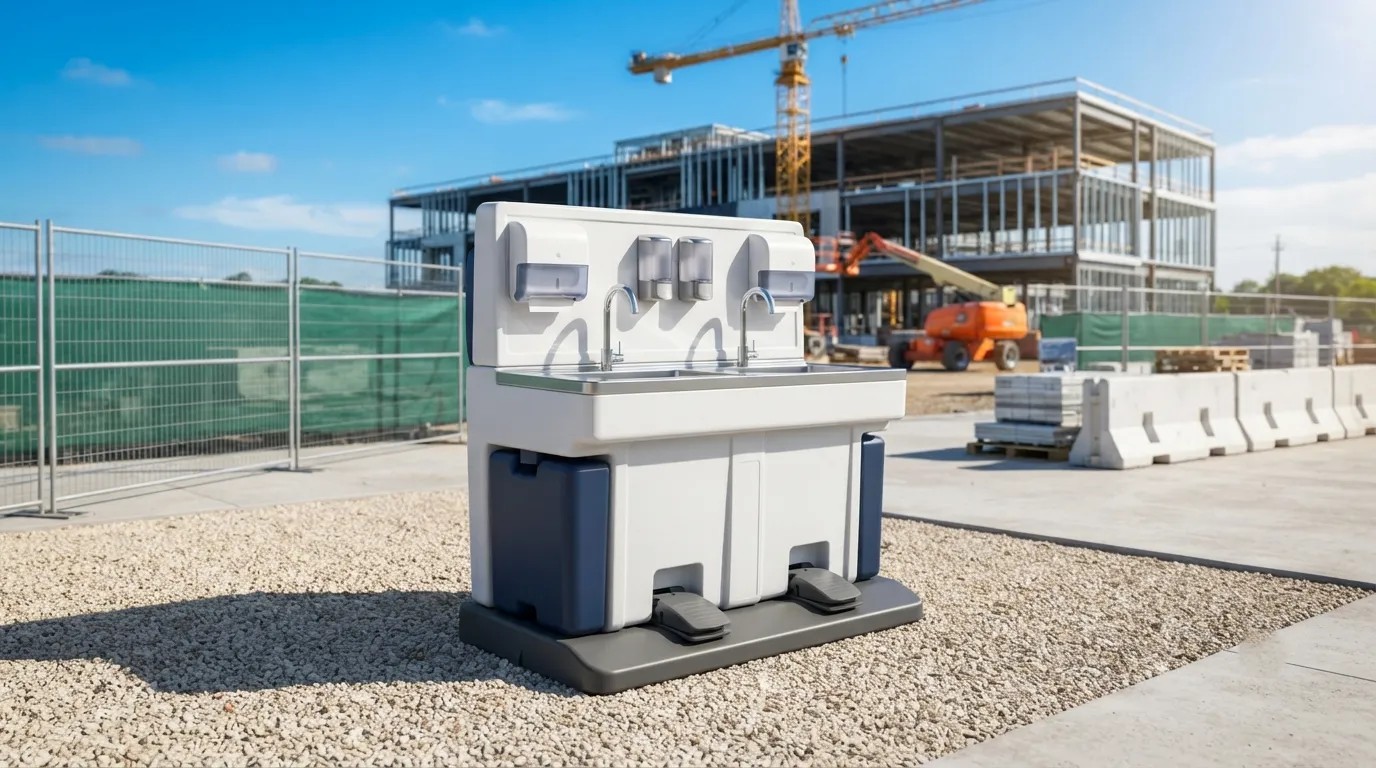
Grease trap work sits under general sanitation rules the same way portable restrooms do. OSHA 1926.51(c) governs toilet facility ratios on active job sites, and if your crew is degreasing equipment with solvents or coatings, OSHA 1926.51(f)(1) requires washing facilities for that specific contaminant exposure. Neither one dictates grease trap pump frequency directly, but they show up on the same compliance checklist restaurant operators juggle, alongside the ADA restroom requirements that apply to any customer-facing facility. For handwashing setups near a kitchen or event kitchen tent, see our handwashing station rental and portable sink rental options, both built to pair with food service work in Pomona, and a hand sanitizer station rental covers overflow needs during a busy shift.
How often should a commercial grease trap be pumped?
It depends on kitchen volume, but most commercial traps need service every 4 to 12 weeks. High-volume fry stations run shorter cycles, the kind of volume you also see driving demand for construction site services with heavy crew turnover. Track fill level between visits rather than guessing, since the 25 percent depth threshold is the trigger, not a fixed calendar date.
What size grease trap does my restaurant need?
Trap size depends on kitchen output, fixture count, and local code requirements. A small cafe needs less capacity than a full-service kitchen running multiple fryers. Talk to us about your equipment list before choosing a size, the same way we size up a portable restroom rental order against headcount.
Can I schedule recurring grease trap pumping instead of one-time calls?
Yes, and most commercial kititchens do exactly that. A standing schedule avoids emergency calls and keeps your trap under the 25 percent threshold consistently. It also gives you a paper trail for health inspections, similar to the service log we keep for a construction dumpster rental account.
Does grease trap pumping smell during the service?
There's some odor during pumping, same as any grease or septic job. Crews work quickly and seal the trap immediately after. It's brief, not something that lingers through a shift, much like the quick turnaround crews expect from a dumpster rental cost quote before a same-day pickup.
Is grease trap pumping different from septic tank pumping?
Related but not identical. A how often to pump a septic tank schedule runs on years, driven by household or building size, while grease traps run on weeks, driven by kitchen volume and fat content, and either job can be scheduled through our request a quote page or reviewed on the septic tank warning signs guide first.
Next step
Get a delivery date
Tell us the address, the dates and the headcount. We size the order and confirm the route.